Anwendungsbeschreibung
Designing a minimalist kitchen that truly works for you means blending simplicity, purpose, and personal workflow. Here’s a step-by-step guide to creating a kitchen that’s not just visually clean, but also efficient and deeply personal:
✅ Core Principles of a Functional Minimalist Kitchen
- Less is More (but only if it works for you)
Eliminate clutter—but keep what you use daily.
- Intentional Layout
Design around your natural cooking movements (the "work triangle" of sink, stove, and fridge).
- Hidden Storage = Calm
Store everything out of sight—no open shelves unless curated.
- Quality Over Quantity
Invest in a few excellent tools, not many cheap ones.
- Your Rituals Guide the Design
The kitchen should support how you actually cook and live.
🛠️ Step-by-Step Design Plan
1. Start with Your Cooking Habits
Ask yourself:
- Do you cook daily? Weekends only?
- Do you bake, meal prep, or eat out often?
- What’s your favorite meal to make?
- Do you entertain or prefer quiet mornings?
Example: If you love making coffee and toast every morning, design a dedicated "coffee station" with your beans, grinder, and mug.
2. Optimize the Layout
Choose one of these efficient minimalist layouts:
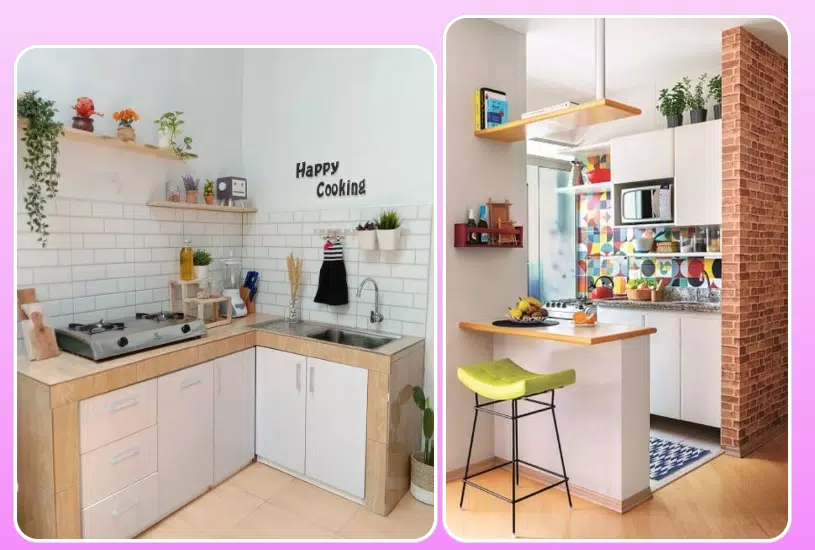
- Galley Kitchen (long, narrow): Perfect for small spaces. All key zones (sink, cooktop, fridge) in a straight line. Minimal wasted movement.
- One-Wall Kitchen: Ideal for studios or compact apartments. Everything on one side—sink on one end, cooktop in the middle, fridge at the other.
- L-Shaped with Open Flow: Use a corner to tuck in a small table or bar.
💡 Pro Tip: Keep the "kitchen work triangle" under 12 feet total to avoid strain.
3. Smart Storage Solutions (Hidden, but Accessible)
- Wall-Mounted Cabinets (floor-to-ceiling): No wasted vertical space. Use for dry goods and rarely-used items.
- Pull-Out Shelves & Drawers: For deep cabinets—no more digging.
- Magnetic Knife Strip: Wall-mounted, visible but organized. Keeps knives safe and accessible.
- Drawer Dividers: Store utensils, cutlery, and measuring tools neatly.
- Under-Cabinet Lighting: Built-in LED strips for safety and ambiance.
🚫 Avoid: Open shelves full of mismatched mugs and jars. If you use open shelves, only keep 5–7 beautiful, curated items.
4. Minimalist Countertops
- Use one seamless surface (e.g., solid quartz, matte wood, or concrete).
- Keep only what you use while cooking: a knife block, cutting board, coffee maker, and maybe one favorite jar of olive oil or salt.
- No permanent appliances on the counter unless it’s essential (e.g., a single-cup coffee maker).
✨ Rule of Thumb: If you don’t use it while cooking, it doesn’t belong on the counter.
5. Curate Your Essentials
Keep only what you actually use and love:
- Cookware: 1 non-stick frying pan, 1 saucepan, 1 baking sheet, 1 large pot.
- Utensils: 1 wooden spoon, 1 spatula, 1 sharp knife, 1 colander, 1 can opener.
- Dishes: 4 plates, 4 bowls, 4 mugs—wash and refill as needed.
- Small Appliances: One multi-use device (e.g., a food processor or immersion blender) instead of 5 gadgets.
❌ Delete: Unused gadgets like a chopper, waffle iron, or pasta maker.
6. Material & Color Palette: Calm, Not Cold
- Colors: Neutral base—white, soft gray, warm wood, black. Avoid bright, busy patterns.
- Materials: Natural textures like walnut, matte metal, stone, or concrete. Avoid shiny finishes.
- Flooring: Light wood or large-format porcelain tile—easy to clean, doesn’t collect debris.
🌿 Bonus: Add one plant (e.g., a small potted herb) for life and warmth.
7. Lighting That Works
- Overhead: Recessed LED lights or track lighting (cool white, 3000K–4000K).
- Task Lighting: Under-cabinet strips near sink and stove.
- Ambience: A single pendant light over a kitchen island or breakfast nook.
✨ Real-Life Example: A Minimalist Kitchen That Works
For a solo cook who loves morning coffee, simple dinners, and weekly meal prep:
- Layout: One-wall L-shape with sink on left, cooktop in center, fridge on right.
- Storage: Floor-to-ceiling cabinets behind handleless doors. Pull-out pantry at base.
- Countertop: Dark wood with a built-in cutting board (lifts up to reveal a hidden knife tray).
- Appliances: Built-in espresso machine (only when brewing), induction cooktop, slim fridge.
- Daily Items: Coffee grinder, French press, one knife, one cutting board, 3 spice jars (on a small magnetic strip).
- No clutter: After cooking, everything is wiped down and put away. Countertop is empty by night.
🌱 Final Thought
A minimalist kitchen that works for you isn’t about how little you own—it’s about how well your kitchen supports your life. It should feel peaceful, intuitive, and inspiring—so that every time you step into it, you’re not overwhelmed… you’re ready to create.
🎯 Ask yourself daily: “Does this kitchen help me cook with joy, not stress?”
If yes—your design is a success.
Let me know your kitchen size, cooking habits, or favorite foods—I’ll help you design your perfect minimal kitchen.
Kunst & Design


 Herunterladen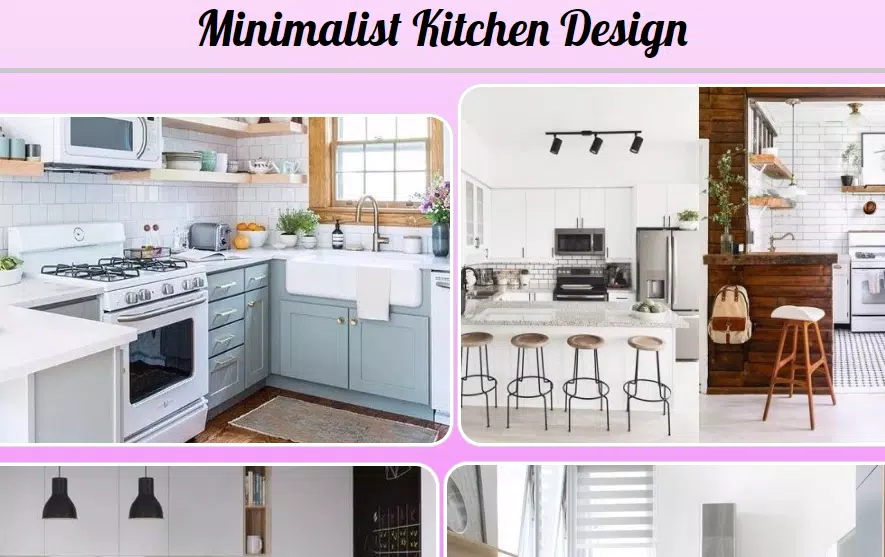
 Apps wie Minimalist Kitchen Design