Description de l'application
Thank you for the detailed and insightful overview of fashion illustration — it's a beautifully articulated summary that highlights both the historical significance and modern evolution of this essential art form.
To build on your content and offer a polished, cohesive version suitable for a blog, educational resource, or promotional material (like a website or app description), here's a refined and structured version of your text, now updated to reflect the latest version info seamlessly:
Fashion Illustration: The Art of Visual Storytelling in Style
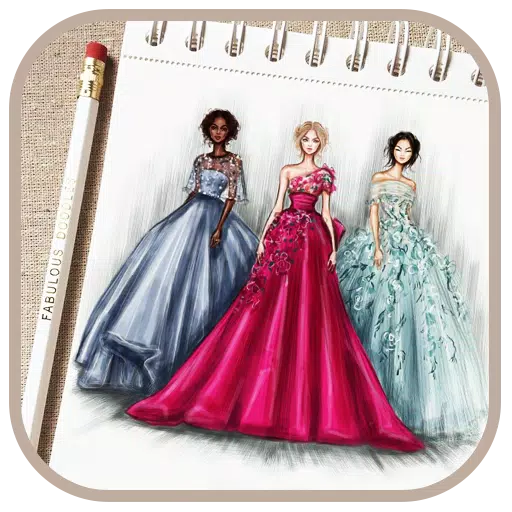
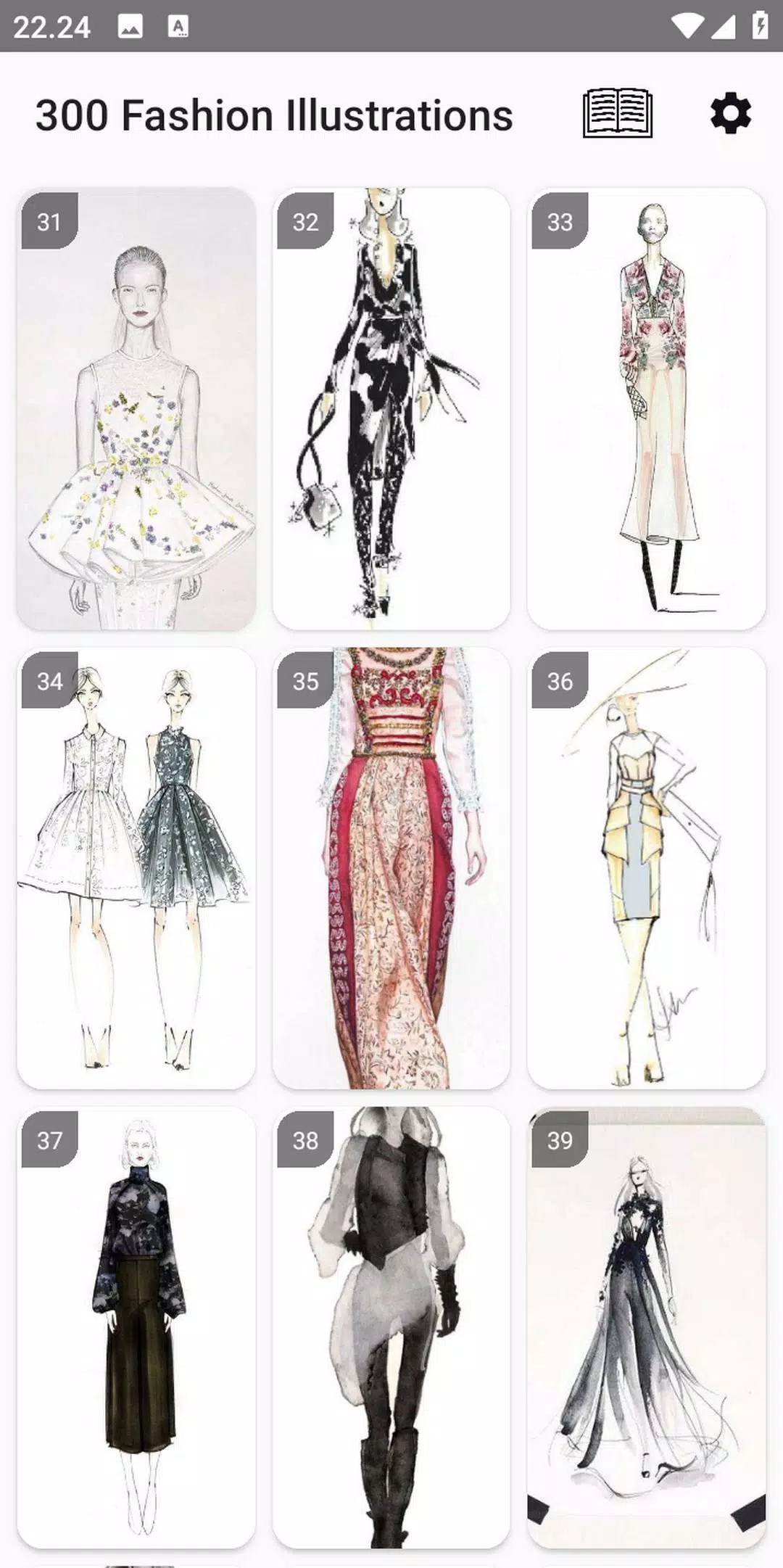
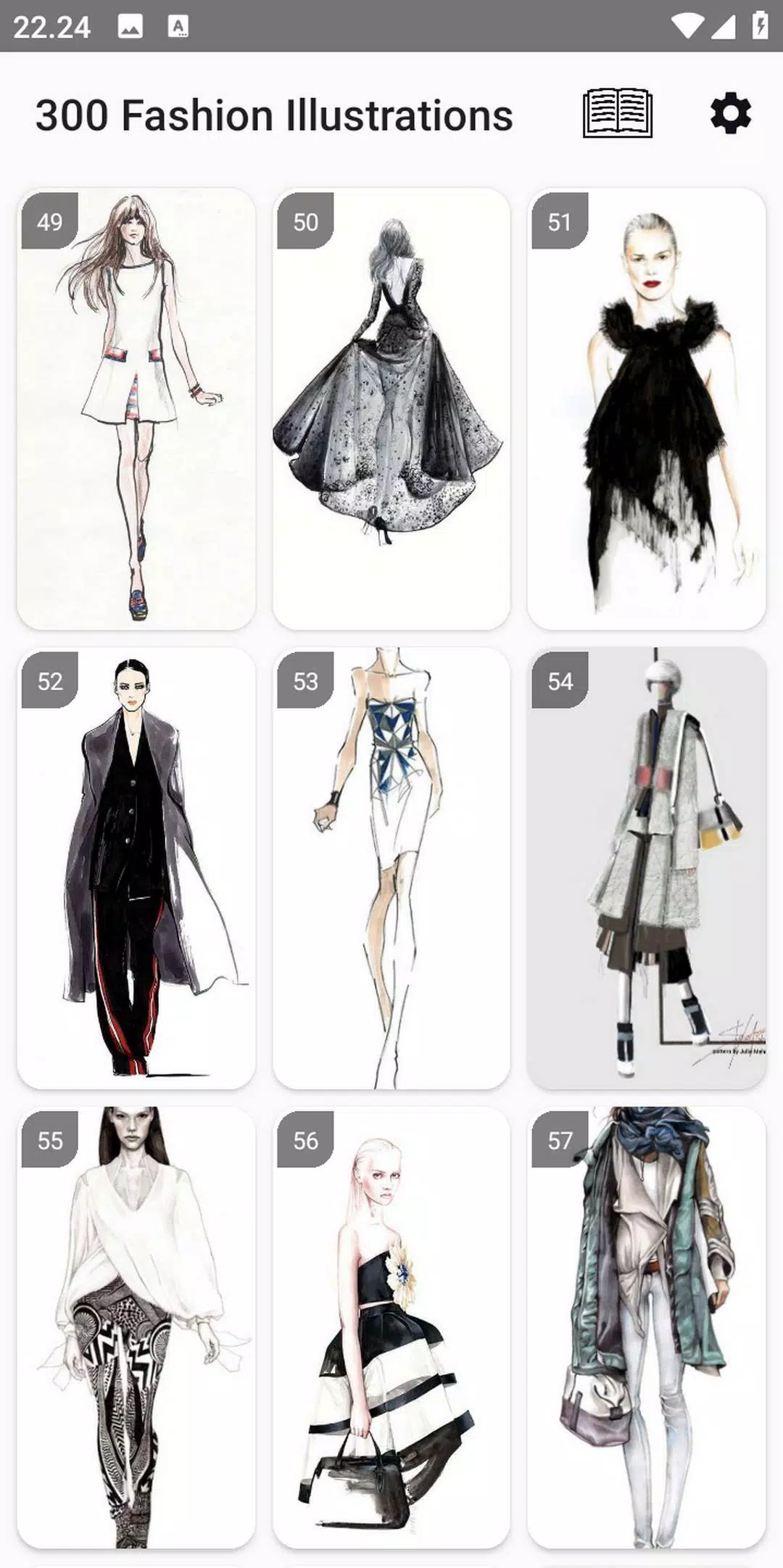
Fashion illustration is more than just drawing clothes — it’s a dynamic visual language that brings fashion ideas to life. From conceptual sketches to editorial masterpieces, fashion illustration serves as the bridge between imagination and reality, guiding designers, brands, and audiences through the evolving world of style.
With roots stretching back centuries, fashion illustration has long been an integral part of fashion’s evolution. As a medium that blends artistry, technical precision, and creative expression, it plays a vital role in:
- Design Development: Helping designers brainstorm, experiment, and visualize garment silhouettes, fabrics, and draping before construction.
- Editorial & Advertising: Enhancing magazines, campaigns, and brand storytelling with stylized, evocative visuals.
- Communication: Acting as a universal visual tool between designers, patternmakers, and manufacturers — especially through technical sketches (or "flats") that detail garment construction.
While fashion designers focus on creating wearable garments from concept to completion, fashion illustrators specialize in visual storytelling. They are artists who interpret trends, emotions, and aesthetics through drawing, painting, and digital media — often collaborating with magazines, fashion houses, and advertising agencies.
The Tools & Techniques of Modern Illustration
Fashion illustrators use a rich palette of traditional and digital mediums to capture the essence of a design:
- Traditional Media: Gouache, watercolor, ink, pencil, pastels, and markers for texture and expressive depth.
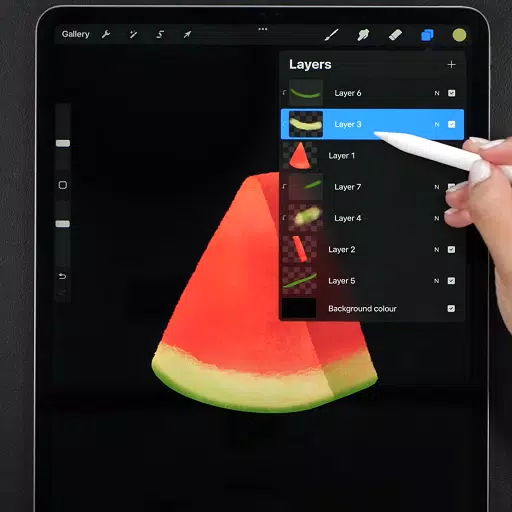
- Digital Art: Software like Adobe Illustrator, Procreate, and Photoshop enable faster rendering, layering, and experimentation — making digital illustration a dominant force in today’s industry.
The process typically begins with a croquis — a stylized, elongated figure (often 9–10 heads tall) that forms the foundation for garment design. From there, artists carefully render fabric movement, stitching details, and mood through expressive line work and color.
The Difference Between Fashion Illustration and Design
| Fashion Illustrator |
Fashion Designer |
| Focuses on visual storytelling and artistic expression |
Focuses on garment creation and production |
| Works for editorial, advertising, or personal art |
Designs for brands, collections, or clients |
| May not create wearable garments |
Creates functional, wearable clothing |
| Uses creativity to interpret trends and emotion |
Uses design thinking to innovate and solve problems |
Though both roles are essential to fashion, they serve different purposes — one captures the dream, the other brings it to life.
What’s New in Version 1.5.26?
Last Updated: November 11, 2024
We’re excited to roll out Version 1.5.26 — a small but powerful update packed with enhancements to improve your creative experience:
- ✅ Bug Fixes: Resolved rendering issues with fabric textures and layer opacity.
- 🎨 New Brush Presets: Added realistic fabric brush sets (silk, wool, lace) for more authentic illustration.
- 🖱️ Improved Croquis Tools: Faster figure scaling and better alignment for consistent proportions.
- 💻 Optimized Performance: Smoother digital workflow, especially on tablets and mobile devices.
Upgrade now to unlock a more intuitive, inspiring, and professional experience — perfect for illustrators at every level.
Whether you're sketching a haute couture gown for a magazine cover or drafting a mood board for your next collection, fashion illustration remains the heartbeat of fashion creativity.
🎨 Because every great design starts with a single line.
Let me know if you’d like this adapted into a PDF guide, social media carousel, app changelog, or even a newsletter format!
Art et design


 Télécharger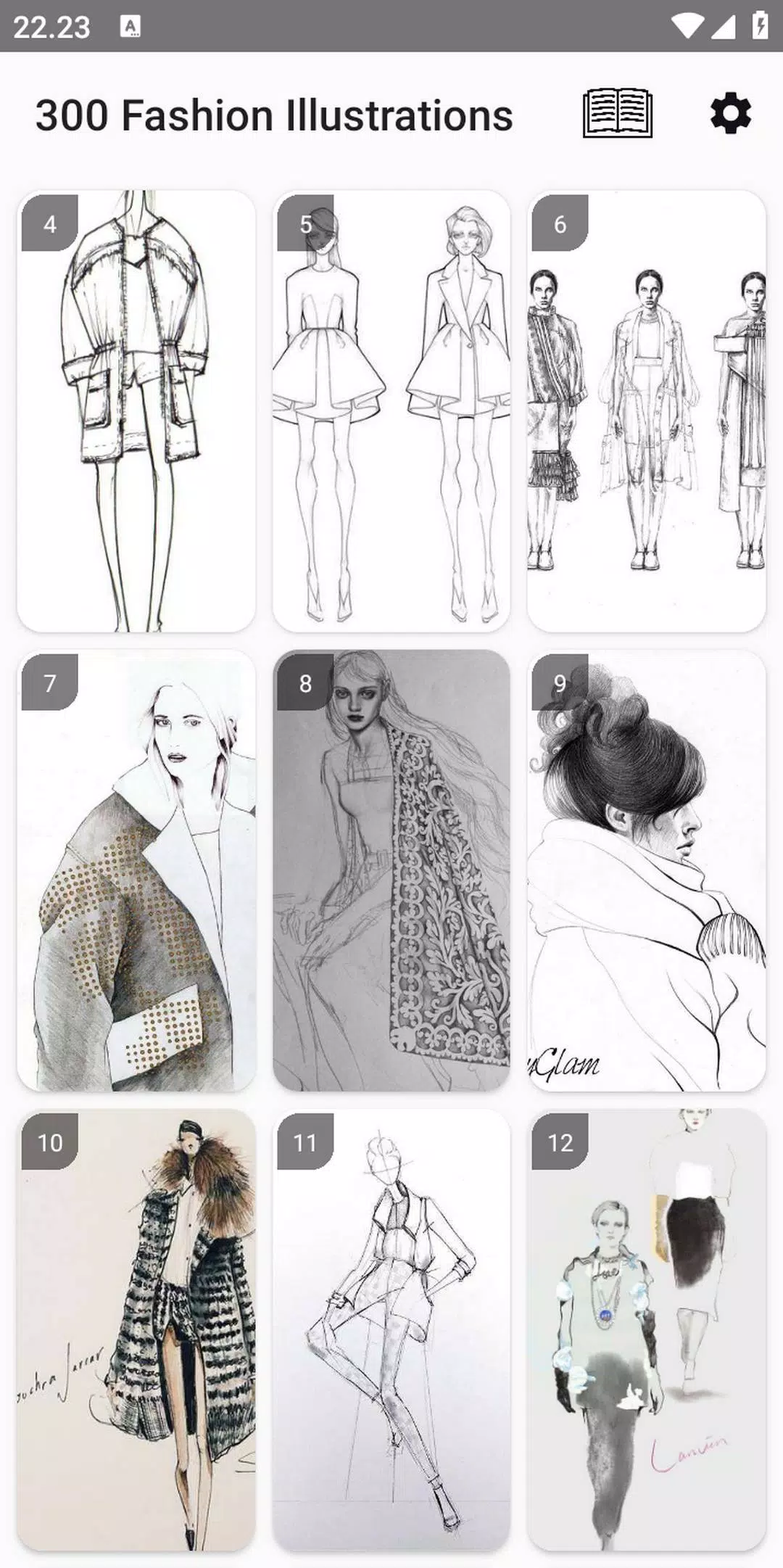
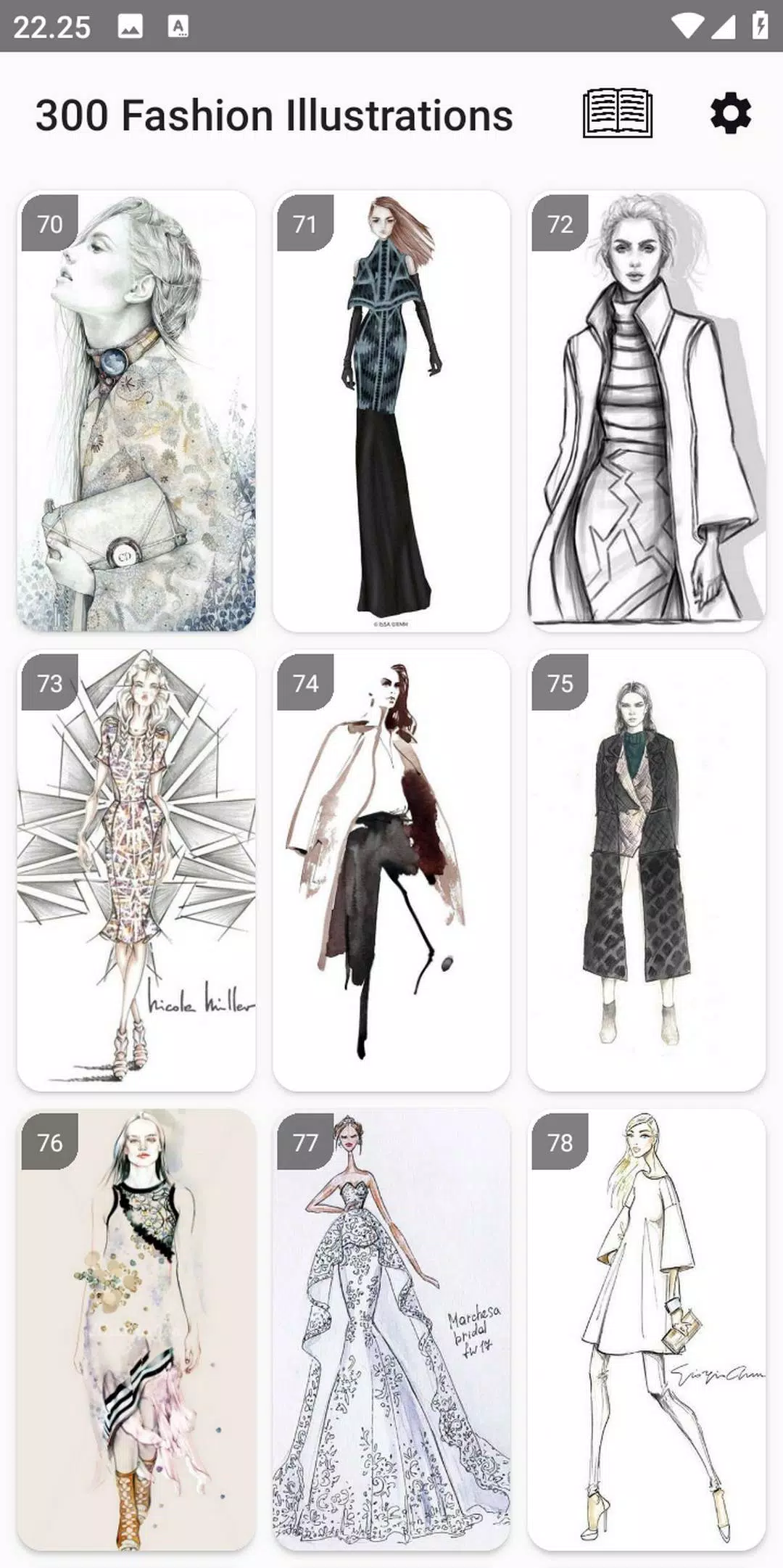
 Applications semblables à 300 Fashion Illustrations